Beijing (Grey and Vermilion)
City Stories · · 4 min read
July 26
The city's mornings felt grey to me, as if industrial grit were drifting through the air and settling on the houses, laying a thin grey gauze over people, cars, glass and roof tiles. The sky too was one grey haze. On an overcast afternoon you rarely see the sun directly; there was so much cloud that you could look straight at it without squinting.
Unlike China's other first-tier cities, central Beijing has few towers. What you see everywhere instead are the old hutongs and the official buildings of the Qing, reminding you that this is Beijing.
The weather was poor: grey sky, heavy cloud. Our driver told us today counted as a good day, though it was nothing like the south; once winter comes and the trees are bare, the sandstorms return, and then it is worse.
Beijing's local food is honestly hard to get down. Douzhi tastes sour, like old socks; the driver said plenty of locals can't stand it either. Old Beijing zhajiang noodles were fine, though the bowl at the Wangfujing department store wasn't as good as the ones I'd had from street stalls in Guangzhou. And jianbing — the kind with chilli sauce and a crisp cracker folded inside — makes a very decent breakfast.
Beijing's roads run on a grid, and a diagonal street is a rare thing. The capital is laid out by rule, square and symmetrical. The roads are wide, with almost no cars parked along them, and the width itself carries the gravity and grandeur of an imperial capital. At first it puzzled me: where do all of Beijing's private cars go? Cycling back to the hotel tonight, I noticed signs every so often showing how many spaces were left at this plaza or that hospital. Cars with Beijing plates probably park there, in the courtyards of hutong homes, and inside the compounds of government and military units and residential estates. Beijing plates are rationed besides — you apply, you enter a lottery — so even the right to buy a car is hard to come by. There are almost no out-of-town cars in the city; I'm told they are restricted by odd and even plate numbers. (Guangzhou is far more relaxed; you see plates from everywhere.)
Getting around Beijing is not that easy. There are plenty of metro lines, but the city is so large that the network is nowhere near as dense as in Shanghai, Hangzhou or Guangzhou. Its great advantage is how easy it is to ride a bicycle or an e-bike — perhaps shared bikes are encouraged on purpose, to ease the air pollution. The bike lanes are very wide, about as wide as a car lane, and almost never blocked by parked cars or anything else (buses sometimes take a little of them, and at night some stretches turn into parking).
July 27
The capital has a capital's gravity, and order is kept very strictly, especially around Tiananmen Square. Almost everywhere needs a reservation: the Military Museum, the Chairman Mao Memorial Hall and Tiananmen Square were all booked out a day ahead; Peking University and Tsinghua must be booked a week ahead; Beijing Normal University and BUPT require an application from someone on campus.
Because I hadn't planned ahead, the trip didn't take in many sights — though it was full all the same; Beijing is simply too big. Next time I want to come in winter, in the off season.
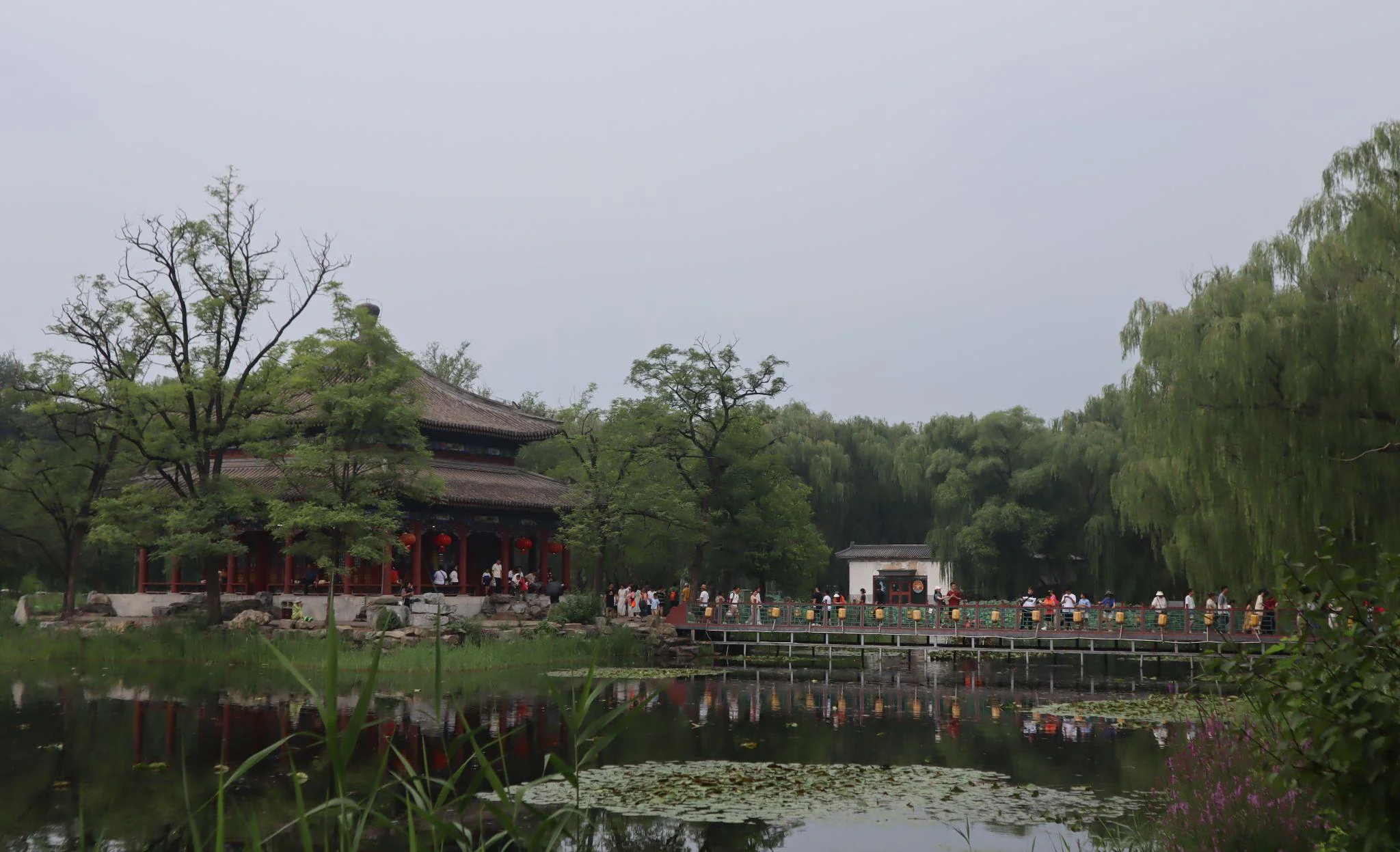
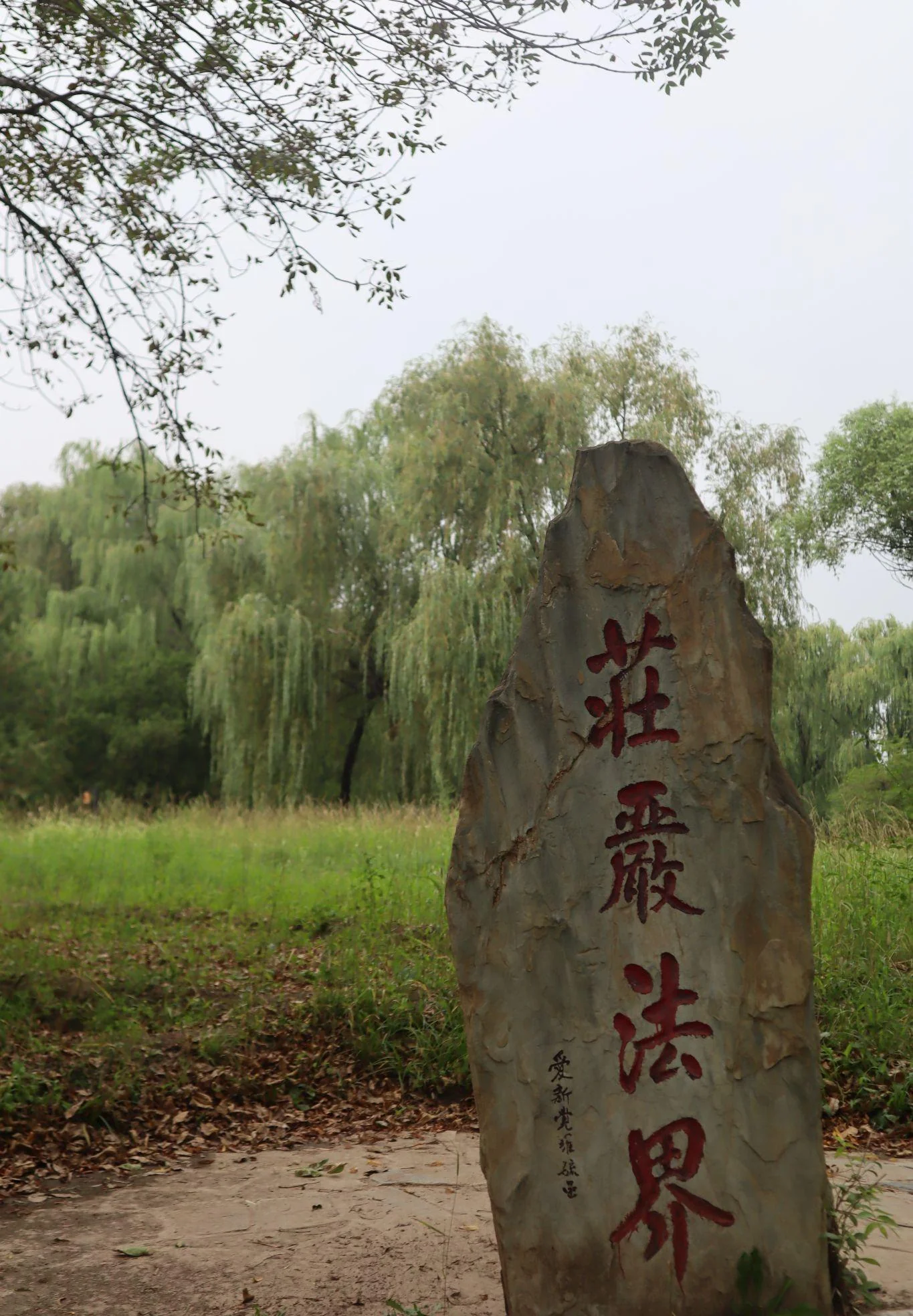
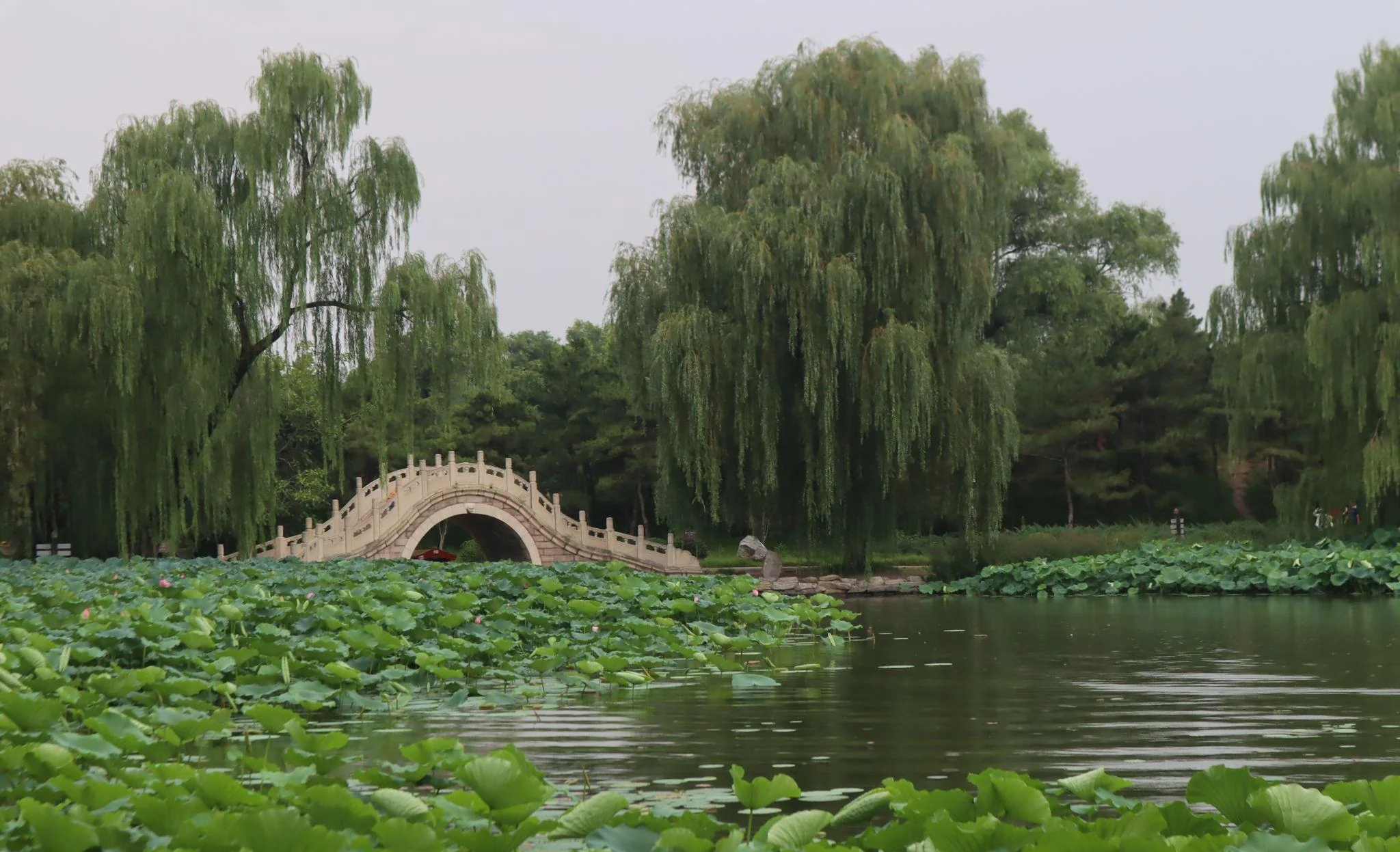
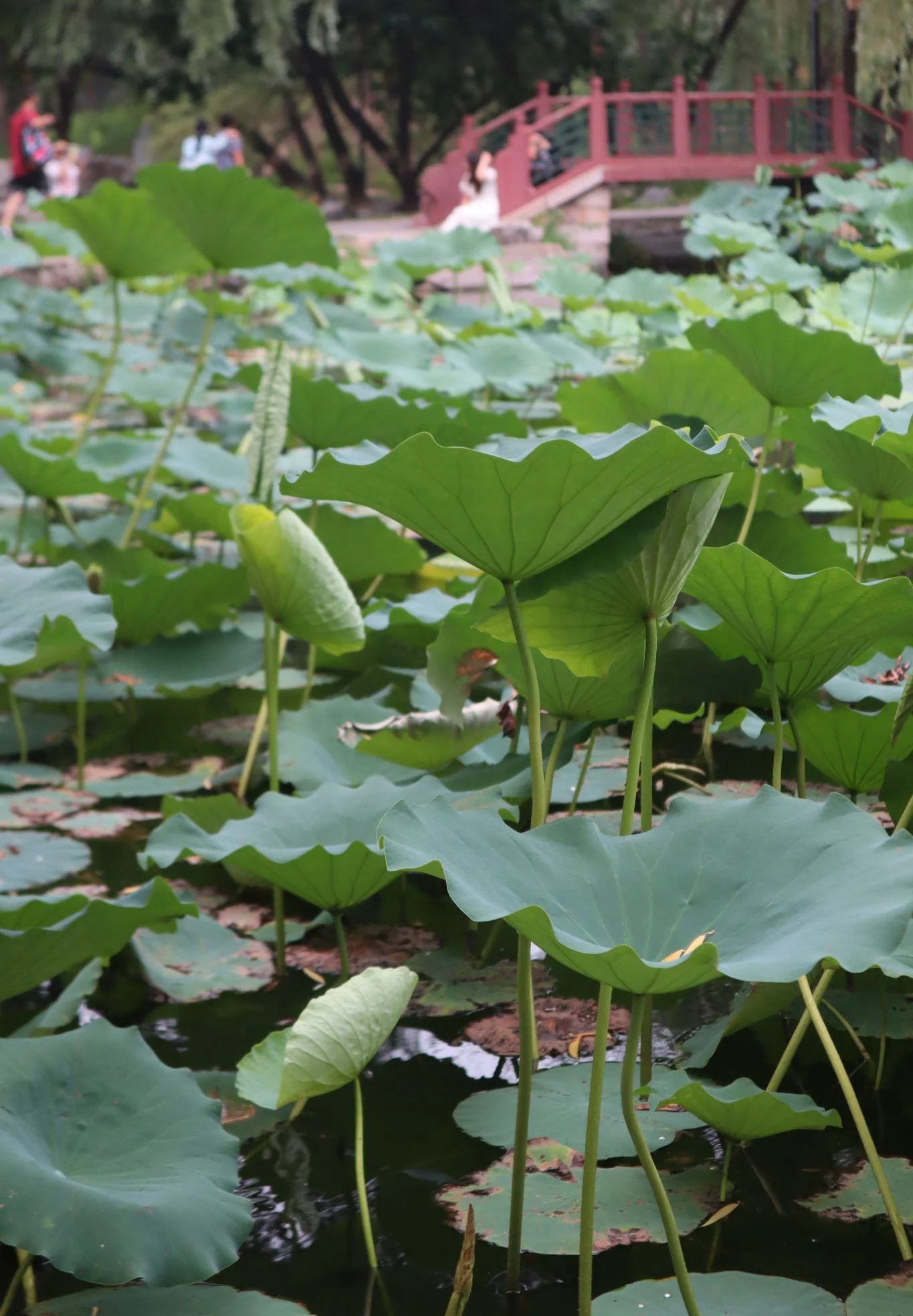
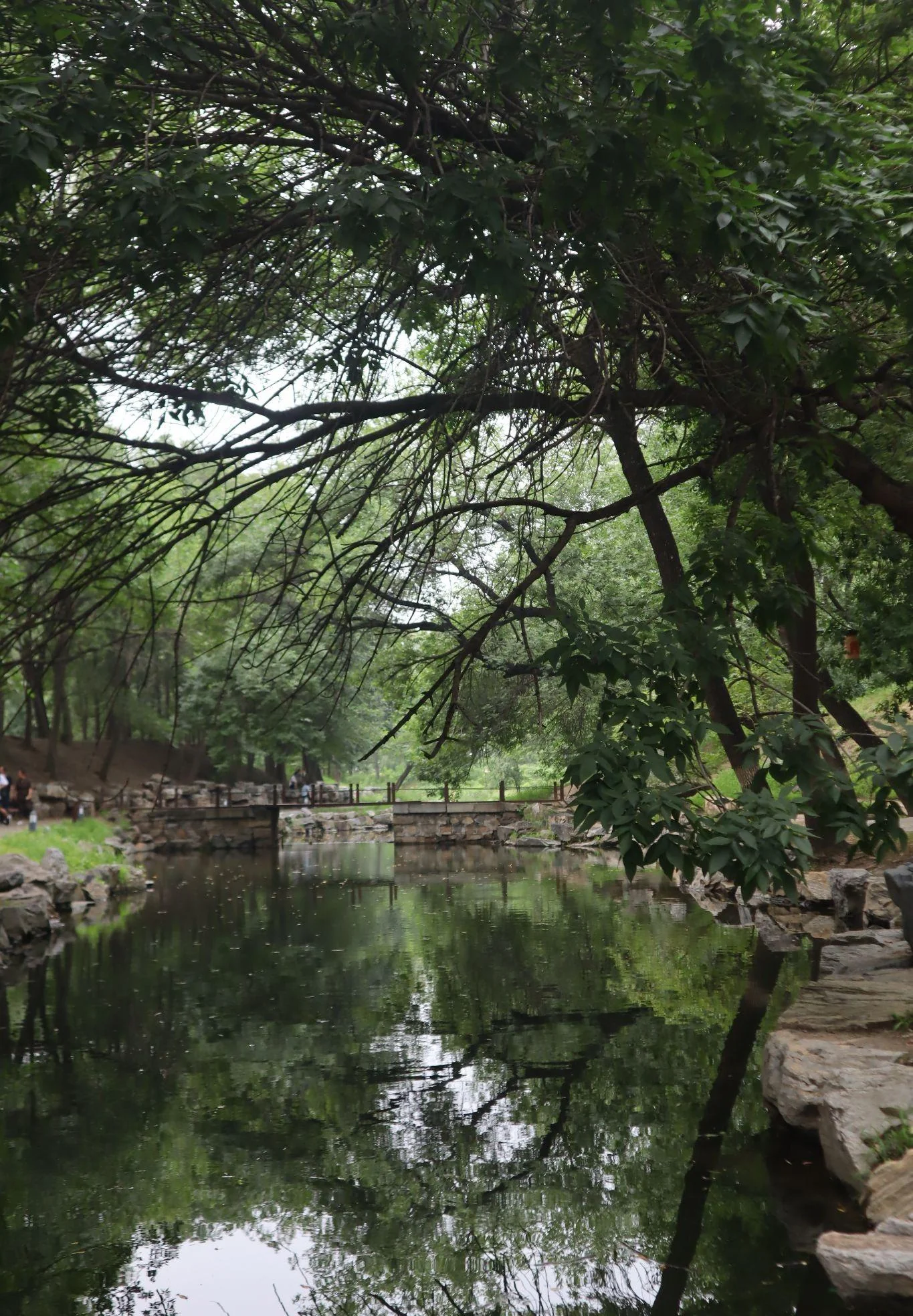
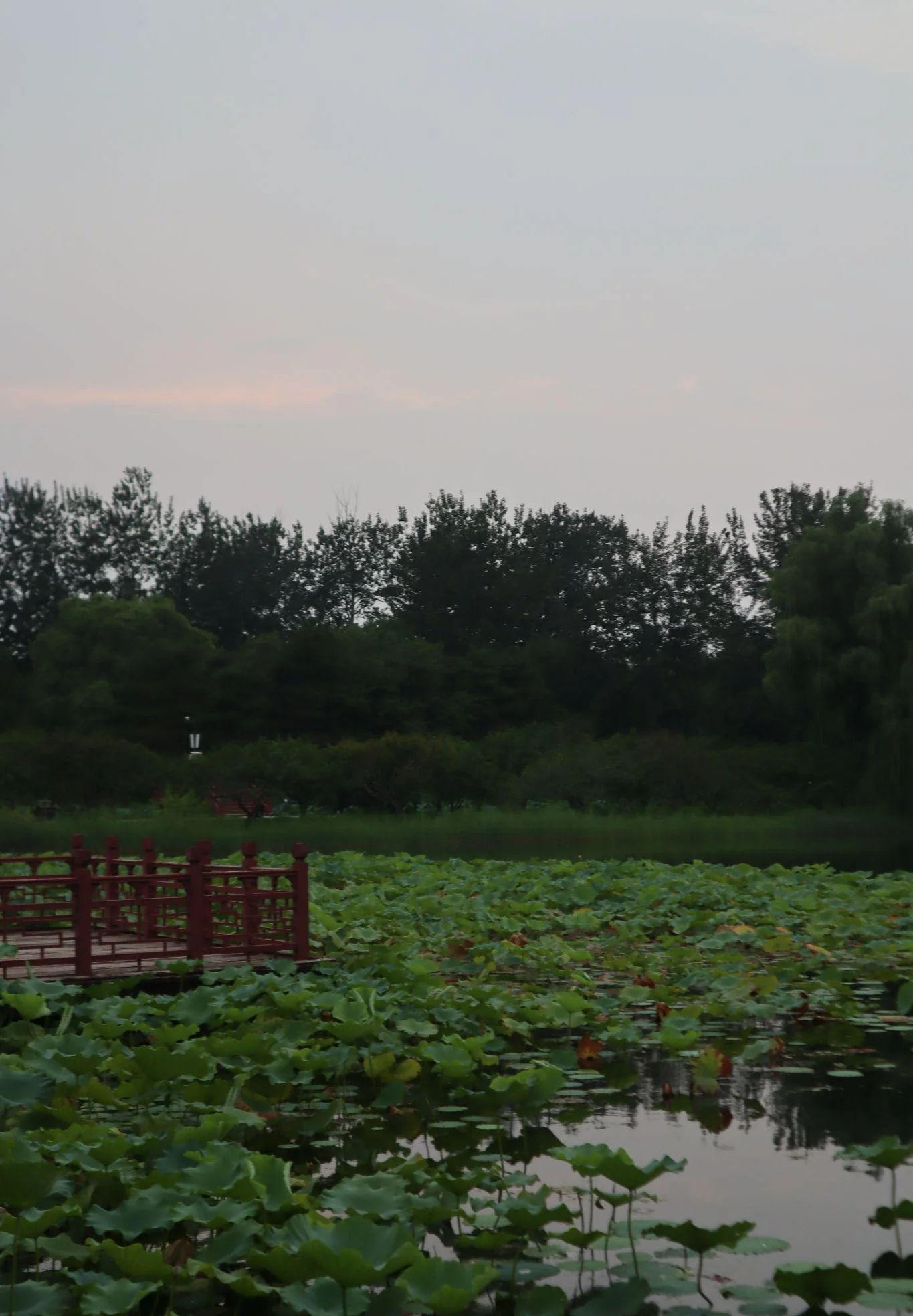
The Old Summer Palace


Translated from the Chinese original.