Muxin Art Museum (Ink Green)
City Stories · · 4 min read
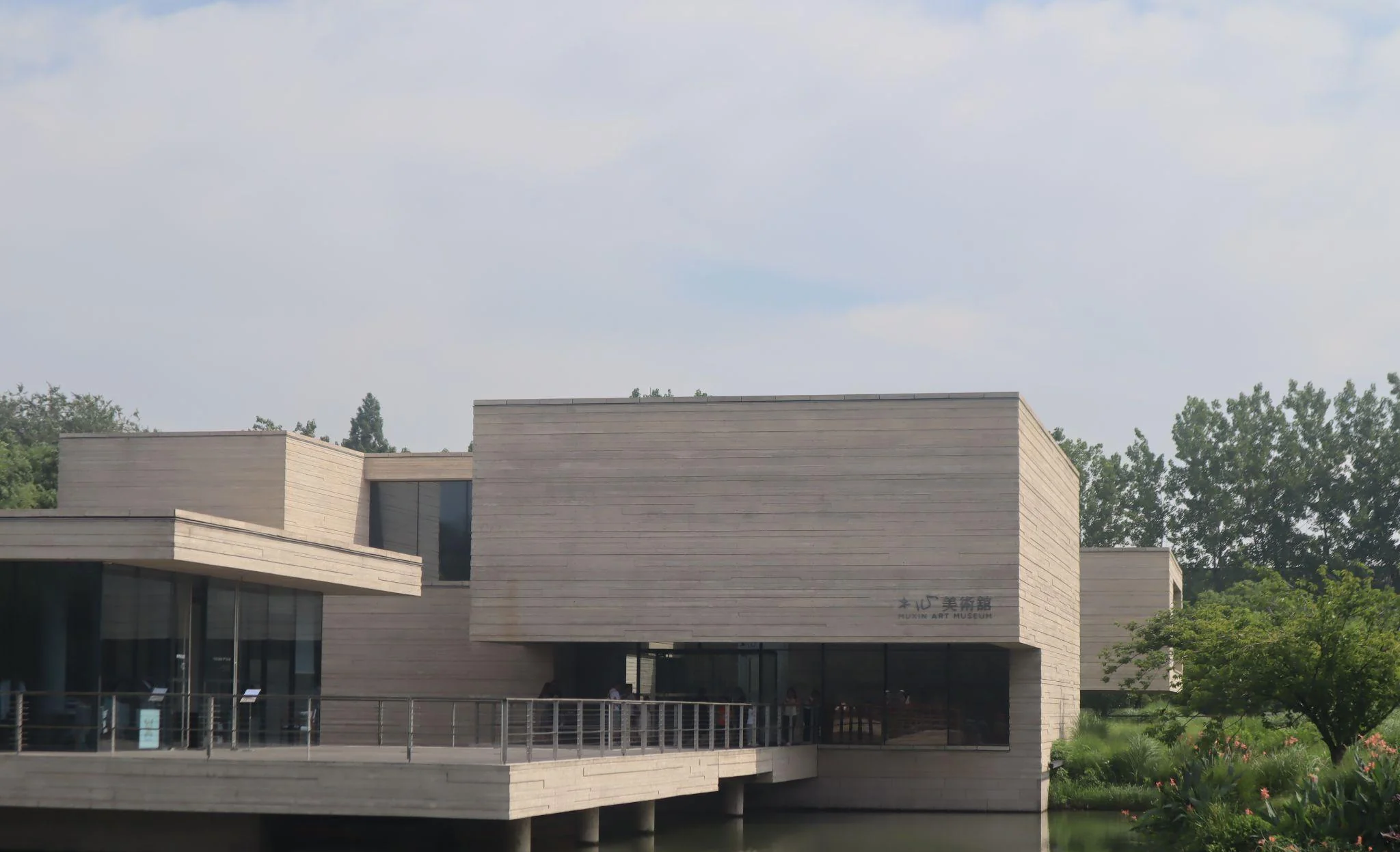
I came to Wuzhen for Mu Xin.
The Muxin Art Museum stands on the water, and the building itself is a work of light and shadow.
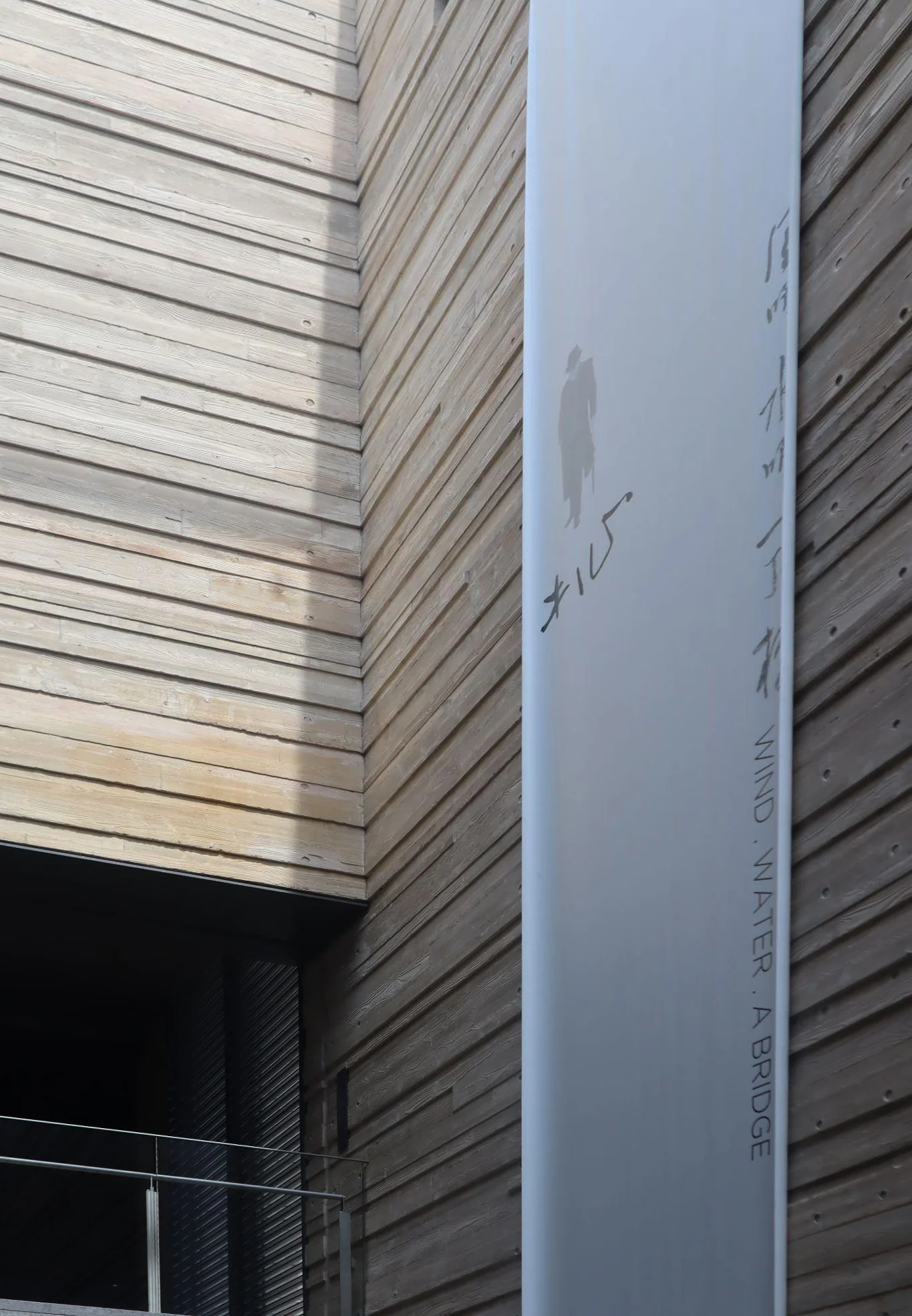
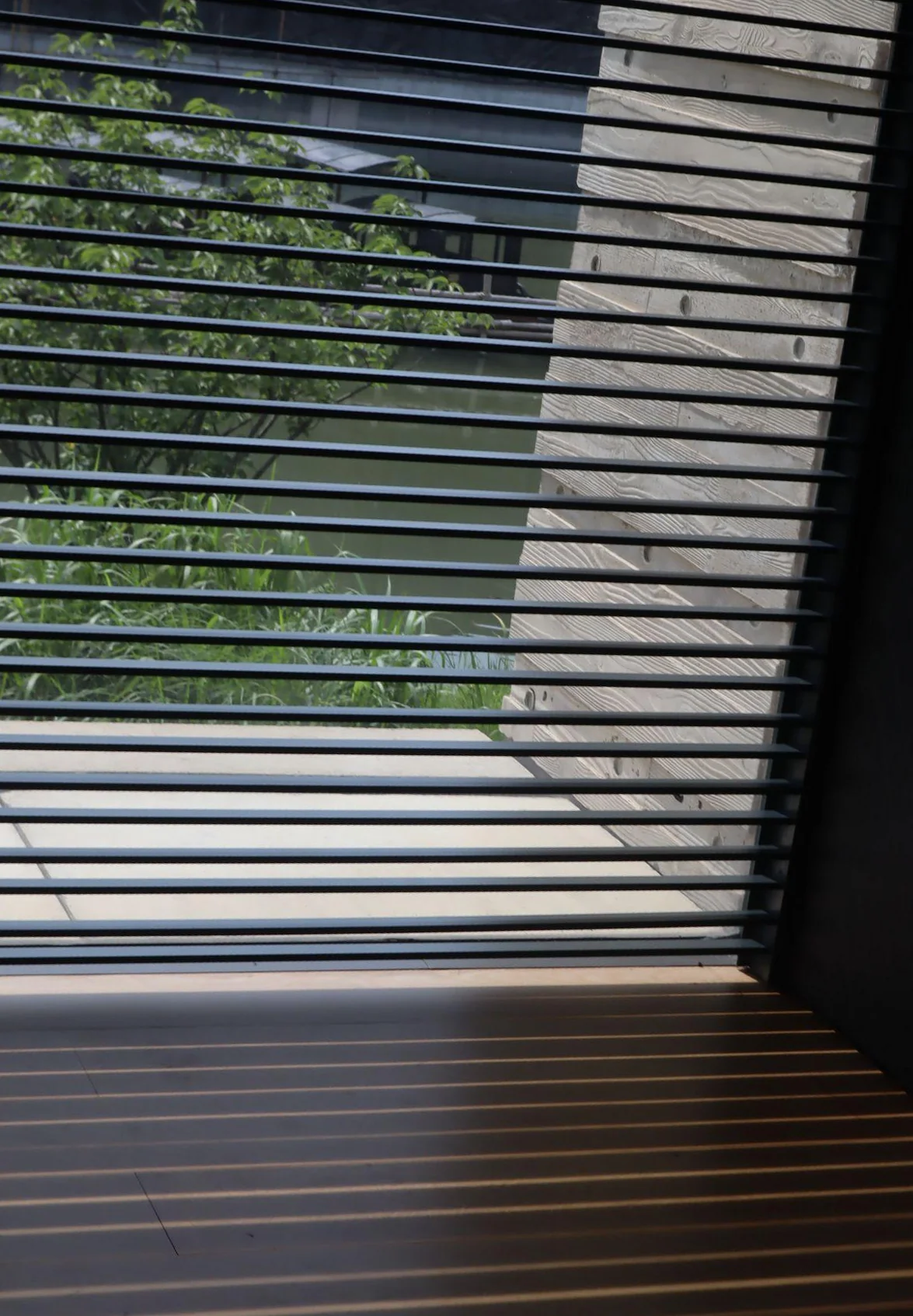
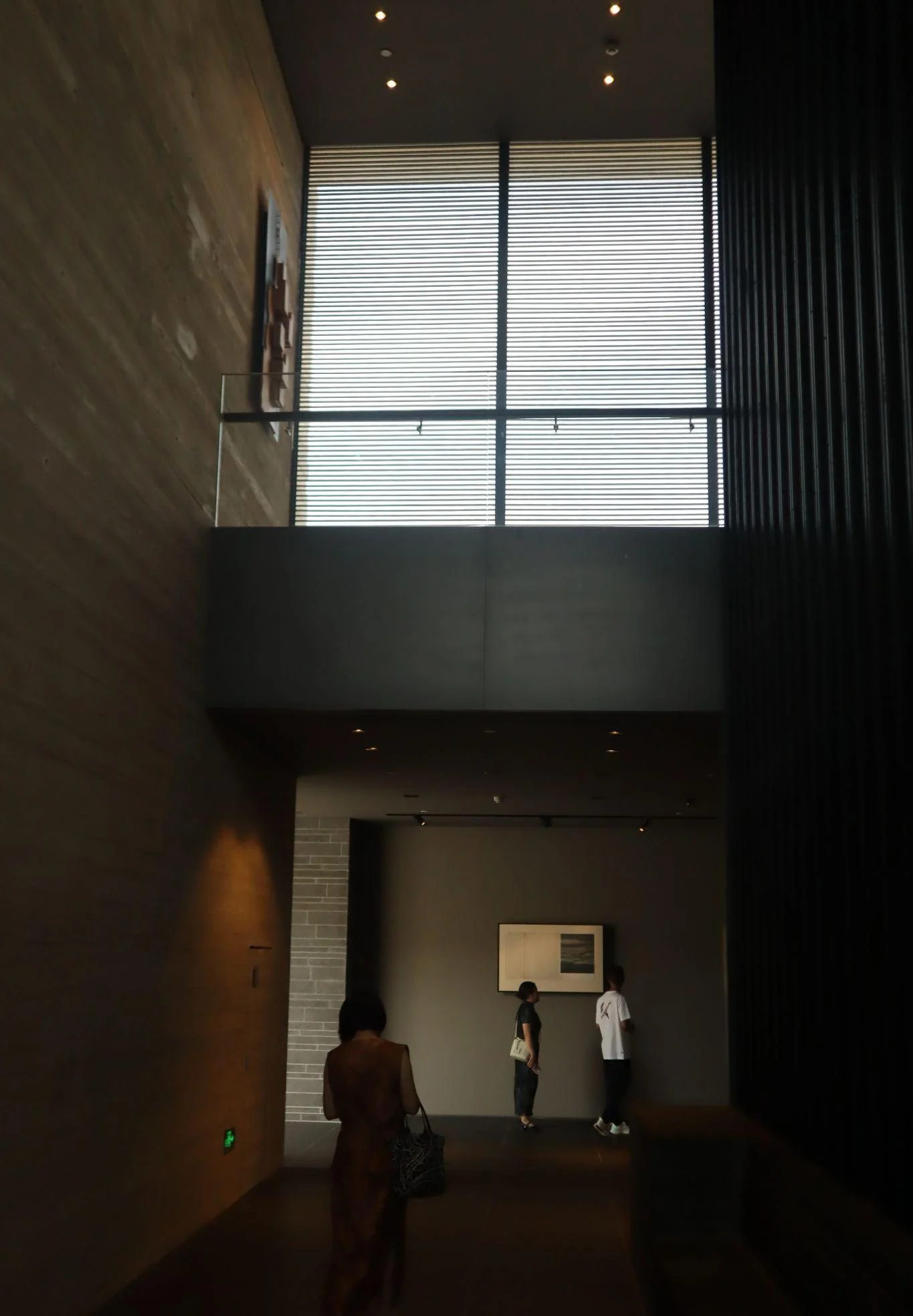
People who love Mu Xin meet here, talk about literature and about what they understand, and become friends because of it.
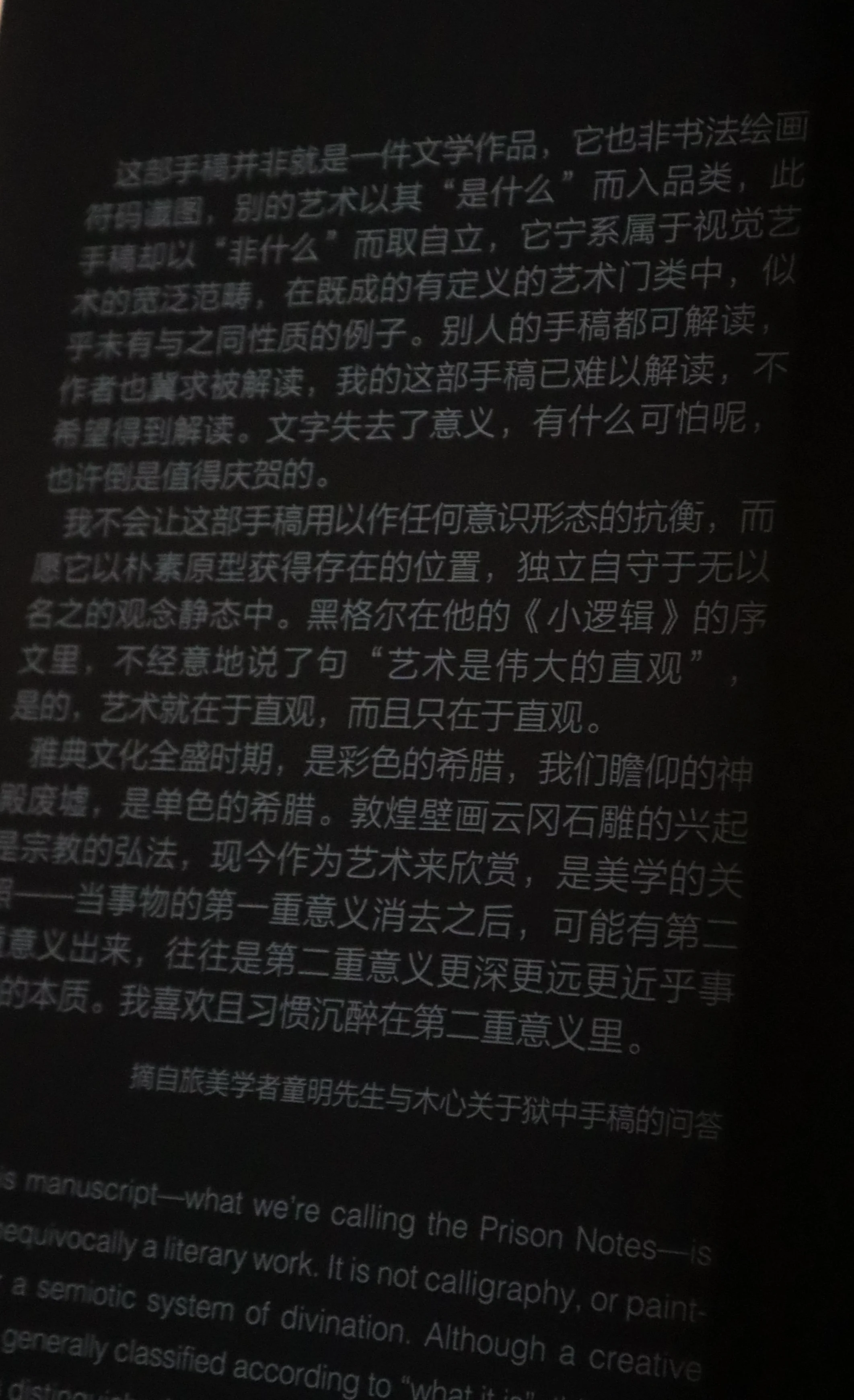
One room shows Mu Xin's prison manuscripts; this is the room's own reading of them.
The manuscripts are A4 sheets, and Mu Xin's writing on them is tiny — each character about three millimetres across — so there is no way to make it out, let alone interpret it. (To protect them, photography is not allowed.)
Mu Xin himself said he did not wish these manuscripts to be interpreted. "If the words have lost their meaning, what is there to fear? Perhaps it is something to celebrate."
The manuscripts are not there to be read at all. What matters is the direct impression they make: in the half-light of the room, you feel the emotion behind them, and something of what he suffered in prison and of the stubborn endurance with which he fought that suffering through writing.
Here the writing alone is not the sign. The whole manuscript, and the room with it — the light and shadow, Wuzhen's water, the willows — together make the sign.
"A man who gets lost even on a walk, I know perfectly well what life is: it is not knowing, from one moment to the next, what to do. So I let the wind carry me down streets brimming with the scent of flowers, I grow used to gazing at towers whose meaning is blurred, and under a small umbrella I loudly lampoon the battlefield in the rain — when anything loses its first meaning, a second meaning comes into view, and I often feel that the second is easier for me to approach and suits me better, like a pram leaning against a gravestone, or a hot loaf pressing down three pages of a will, so that even a fine bright afternoon goes walking into the second meaning and is, to all appearances, lost." — from I Won't Go Walking Tomorrow
I asked the attendant then: "When an artist is making something, do they deliberately plan for a second layer of meaning to show?" We concluded that it could go either way. But even the two of us didn't quite understand first and second meaning the same way.
Three examples. The words on the manuscripts are the first meaning; the "direct but artistic feeling", and the thinking, that the room and the manuscripts together give a visitor are the second. (Visitors straining to read characters the size of sesame seeds really have it backwards [laughing through tears].) Dunhuang was built to spread the Dharma: that is the first meaning; the aesthetic value later generations find in it is the second. Take the museum building itself: housing the works is the first meaning; the play of light and shadow in its architecture, and the atmosphere it creates, the second. (Or perhaps that is the first.)
The attendant, who had studied literature, suggested that the first meaning comes from the maker's side and the second from the reader's.
Perhaps they could also be understood as the practical and the aesthetic. (See Zhu Guangqian, On Beauty.)
The attendant said the happiest thing about being here was meeting other people who love Mu Xin, chatting, and sharing what each of us thought. "As long as you love Mu Xin too, we're friends."
After I left Wuzhen I kept thinking: if the museum's first meaning is to be a way for people to come to know Mu Xin, then perhaps its second is to let souls who love him meet here by chance.
I will come back — perhaps as a volunteer attendant.
Translated from the Chinese original.